
Exploring cultural perceptions of gambling around the world
Cultural Attitudes Towards Gambling
Cultural perceptions of gambling vary significantly across the globe, influenced by historical, social, and religious factors. In some societies, gambling is seen as a form of entertainment and a social activity. For instance, many Western nations view places like casinos as popular destinations where people gather to socialize and enjoy games; therefore, platforms like http://www.primecasinouk.net are emerging as significant alternatives. In these cultures, the perception of gambling is often linked to fun and leisure, promoting a more relaxed attitude towards betting and gambling-related activities.

Conversely, in regions where religious beliefs heavily influence societal norms, gambling may be viewed with skepticism or outright disapproval. For instance, in many Islamic countries, gambling is prohibited by law, as it is considered sinful. This has led to a cultural environment where gambling is not only discouraged but also heavily stigmatized. The consequences of such beliefs can create a divide between those who embrace gambling as a legitimate pastime and those who oppose it for moral or religious reasons.
Moreover, cultural narratives surrounding luck and fortune also shape the way gambling is perceived. In cultures where luck is a fundamental aspect of daily life, such as in many East Asian communities, games of chance are often incorporated into traditional festivals. Here, gambling might be embraced as a way of participating in cultural heritage. Understanding these diverse perspectives can provide valuable insights into the global gambling landscape and how it continues to evolve.
The Rise of Online Gambling
The advent of the internet has revolutionized the gambling industry, creating an explosion of online gambling platforms accessible to a global audience. This shift has been particularly notable in regions where traditional gambling was once viewed with skepticism. Online platforms have democratized access to gambling, allowing individuals to engage in betting from the comfort of their homes, thereby reshaping cultural attitudes toward this activity.
In countries where gambling was previously limited to physical locations, the rise of online gambling has introduced new conversations about its legitimacy and social implications. This has prompted a blend of traditional values with modern practices, as seen in the increasing acceptance of online casinos and betting apps. As users engage with these platforms, they contribute to a growing acceptance of gambling as a mainstream recreational activity, challenging longstanding perceptions.
Furthermore, the online gambling industry has also created unique trends that reflect cultural preferences and behaviors. Different regions show varying trends in the types of games preferred; for example, while Western players may gravitate towards poker and slot machines, Asian markets often favor live dealer games that enhance the social experience. This diversification illustrates how cultural nuances continue to influence gambling trends in the digital age.
Legal Frameworks and Gambling Regulations
Legal frameworks governing gambling differ widely around the world, often reflecting the cultural attitudes of respective societies. In countries like the United States and the United Kingdom, gambling is heavily regulated but widely accepted, with specific laws established to protect consumers and ensure fairness. In these regions, both land-based and online casinos operate under strict regulations, enabling a thriving industry that contributes significantly to the economy.
In contrast, other nations maintain more stringent laws that either prohibit gambling altogether or enforce strict limitations. Countries such as Japan have historically imposed harsh restrictions, but recent developments indicate a gradual shift towards a more open approach, potentially reflecting changing societal attitudes. This complexity in legal frameworks highlights the constant negotiation between traditional views and modern economic opportunities.
The impact of regulations on cultural perceptions is profound, as legal acceptance can legitimize gambling as a socially acceptable pastime. As more countries explore opportunities to regulate gambling, they are also prompted to rethink their cultural stances, leading to a re-evaluation of gambling as both a revenue generator and a community concern. The dialogue between legality and culture continues to shape the gambling landscape worldwide.
Social Implications of Gambling
Gambling’s cultural perceptions are intertwined with its social implications, particularly concerning issues of addiction and economic impact. In many societies, the potential for gambling addiction is a significant concern that influences how gambling is viewed. Where addiction is prevalent, stigma can arise, leading to negative perceptions of gambling as a harmful activity. This can create barriers for those who may need support, reinforcing the notion that gambling is a destructive force in society.
Conversely, some cultures emphasize the communal aspects of gambling, viewing it as a bonding experience that can enhance social ties. Festivals and local events featuring gambling activities can foster community spirit, allowing people to come together in celebration. This positive aspect often gets overshadowed by concerns about addiction and financial ruin, but it’s essential to recognize the balance between risk and social enjoyment within cultural contexts.
Additionally, the economic benefits derived from gambling, such as job creation and tourism, often contribute to positive perceptions in areas where the industry thrives. Communities that leverage gambling for economic growth frequently see shifts in how this activity is perceived. As societies weigh the pros and cons of gambling, it becomes evident that cultural perceptions are continuously shaped by the dual forces of social impact and economic incentives.
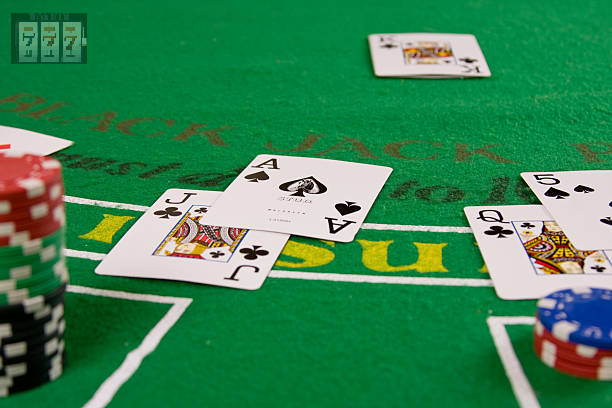
Prime Casino: A Global Perspective on Gambling
Prime Casino stands as a modern example of how cultural perceptions of gambling are evolving in the digital age. With its user-friendly interface and extensive library of over 7,000 games, Prime Casino caters to a diverse audience, embracing various cultural preferences. The platform’s commitment to player safety, operating under a UK Gambling Commission license, showcases its dedication to providing a responsible gaming environment.
The emergence of platforms like Prime Casino reflects the changing dynamics of gambling, highlighting the shift towards online gaming and its acceptance across different cultures. With attractive welcome bonuses and a robust loyalty program, Prime Casino aims to engage players while addressing their diverse needs and expectations. This adaptability is crucial in a globalized world where cultural perceptions of gambling are continuously in flux.
As the landscape of gambling continues to evolve, Prime Casino is positioned to play a significant role in shaping these perceptions. By providing a safe and enjoyable gambling experience, the platform promotes a more nuanced understanding of gambling as both a recreational activity and a cultural phenomenon. Through its operations, Prime Casino helps bridge the gap between traditional views and modern trends, contributing to the ongoing dialogue about gambling worldwide.